Příručka Linux From Scratch pro sestavení základního linuxového systému byla aktualizována v pravidelném půlročním termínu. Vydání 13.1 shrnuje přes 40 nových verzí balíčků a několik patchů. Navazující příručka Beyond Linux From Scratch s recepty pro sestavení dalších knihoven a aplikací zatím vydána nebyla, ačkoliv vývojová verze stále dostává aktualizace. Lze je číst online nebo stáhnout v HTML či PDF.
Národní bezpečnostní tým CSIRT.CZ koordinovaný sdružením CZ.NIC přichází se službou Strážci internetu, která má sjednotit způsob hlášení doménových jmen zneužívaných k páchání trestné činnosti. Službu mohou uživatelé využívat také prostřednictvím rozšíření do prohlížeče. Nový nástroj podporuje jak hlášení vyžadující autorizaci, tak anonymní reporting, u kterého však nebude možné zapojit takovou míru automatizace jako u
… více »Firefox pro iOS přichází s integrovaným blokováním reklam. Funkce je ve výchozím nastavení vypnutá a lze ji aktivovat v Settings > Browsing > Ad Blocker.
Společnost Hugging Face ve spolupráci se společností Pollen Robotics představila (𝕏) open-source robota Microduck. Předobjednat jej lze za 340 eur.
Open-source autonomní AI agent OpenClaw (Wikipedie) byl vydán ve verzi 2026.8.1 aneb 2.0. Přehled novinek v poznámkách k vydání.
Byla vydána první veřejná preview verze PrusaSliceru 3.0. Přesně 15 let po zveřejnění první verze Slic3ru, které připadlo na 1. září 2011. Jedná se o dosud největší upgrade PrusaSliceru: "Řídili jsme se tím, co skutečně potřebujete, a tak jsme například zcela zahodili stávající uživatelské rozhraní a vytvořili ho znovu od nuly. Přinášíme také nový systém projektů, kompletně přepracované profily navržené pro moderní tiskárny s větším
… více »Byl vydán Mozilla Firefox 155.0. Přehled novinek v poznámkách k vydání a poznámkách k vydání pro vývojáře. Vypíchnout lze Smart Window, zatím ale dostupné pouze pro uživatele v USA, Kanadě a Francii. Řešeny jsou rovněž bezpečnostní chyby. Nový Firefox 155 bude brzy k dispozici také na Flathubu a Snapcraftu.
Tima Cooka na pozici generálního ředitele společnosti Apple dnešním dnem nahradil John Ternus, který byl dosud odpovědný za hardware. Tim Cook vedl Apple od roku 2011, kdy funkci převzal od později zesnulého spoluzakladatele společnosti Stevea Jobse. Za 15 let v čele Applu více než zdvojnásobil tržní hodnotu firmy.
Organizátoři konference LinuxDays ukončil veřejné přihlašování přednášek. Teď je na vás, abyste vybrali nejlepší témata pro letošní ročník. Hlasovat můžete do pondělí 7. září, poté bude podle výsledků hlasování sestaven program pro letošní ročník.
Servo, engine webového prohlížeče napsaný v Rustu, byl vydán ve verzi 0.5.0. Novinky shrnuje přehled projektu za červenec. Došlo k dalšímu pokroku ve vykreslování webových stránek. Současným cílem projektu je vytvořit komponentu webového prohlížeče jako WebView pro použití v jiných aplikacích.
1. Why have you started to use Linux? Did you use other operating systems before choosing Linux?
I started using unixes in the academic environment after having programmed around a bit. It got increasingly hard to control my computer and learn how things worked (and improve on them) with proprietary OSs, so the choice was easy. I used and even worked professionally with windows (3.x and '95 at the time), DOS and various basic-like OSs before Microsoft got into home computers.
2. What made you consider starting/joining the development of an 'alternative' distribution?
Immediate control. I was particularly looking to compile applications and toolchains myself and not pick up whatever SuSE or slackware gave me. In fact, back then getting something like X to compile on your own was pretty much a drama with those distros. After spending hours trying to figure out which -devel package I needed I figured that it all would be a lot faster if "installing X" meant that "you also install X headers and libraries and link objects".
Once I figured out that this is exactly what source distros do usually, I picked one and started working with/on it.
3. What did the 'big' distributions lack (or had too much of)?
I pretty much described that above :)
4. What do you say to those who think the Linux world should be more united and focus on co-operation rather then resolve problems by forking projects?
It's interesting to see that people react so strongly on this diverse ecology that exists now. In nature we tend to think that a diverse ecology is good - less signs of failure of the entire ecosystem if one species dies. However it does pose a problem to the worms - who cannot figure out how to specialize in eating which nutrients. I'm obviously talking about the users here :)
Linux (and any computer OS in existence) is not mature enough I think to just monopolize the market. Too many interest groups are still pushing vendors and distro makers in wrong directions. I completely agree that we should make things more unified for users and that should be a sort of ultimate target.
Too many forks nowadays are made for the wrong decisions. Take the recent pidgin fork: While it may very well be a great step for this code to be forked, the fork was completely avoidable and ultimately made for the wrong reason. Do good forks exist? XOrg was a great fork - it really gave X a growthspurt. Often a fork will not pay off until much later. So those folks who are forkign code now have a very hard time. They will need to invest sometimes one, two years of personal time before they convince everyone that they have taken the codebase into a new direction. And then meanwhile go through the hazing of the slashdot crowds that smite every fork :)
So to everyone doing a fork: know what you are beginning. Is it worth it?
And to everyone looking at a fork: relax, it's evolution. It's what gave you thumbs :)
5. Is Lunar your primary operating system? How many other distros have you used so far? Which ones?
I've used so many I lost count. All the major ones (RH/FC/SuSE/Ub/Deb) and the odd ones out. I've also worked with many derivatives in my work and still touch them on a daily basis.
Lunar still is my main OS on the boxes that I really develop on.
6. What is Lunar's killer feature(s)?
It's size. Both codebase and developer base wise. We're so small that we can easily and quickly fix bugs. Developers are quick to reach, updates are available quickly and we can get users to work on their own feature requests easily. We've also got a very easy system to allow contributions from users back into the distro, and this makes it very pleasant to pick up lunar and help out for new users.
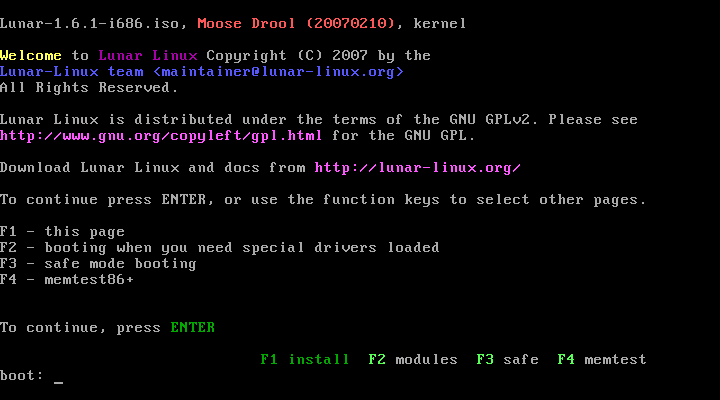
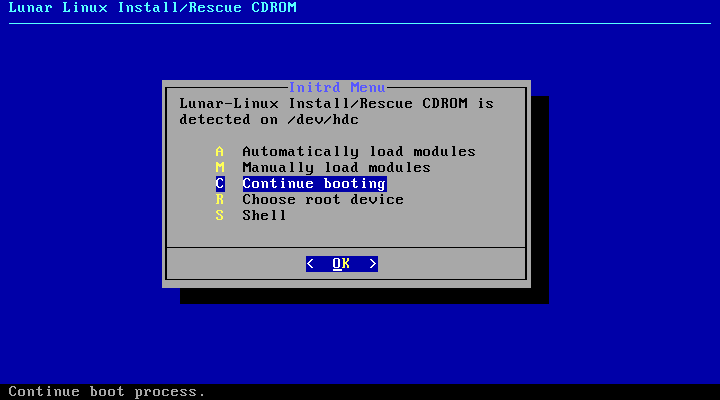
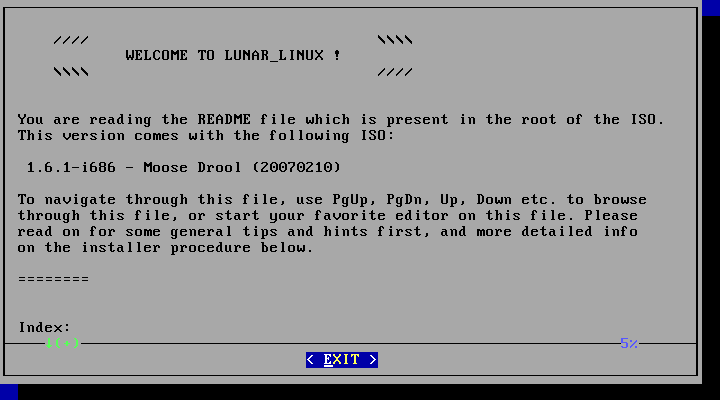
7. What do you plan to implement/improve? What can we look forward to in Lunar's next release?
I'm mostly focusing on updating the installer ISO's nowadays. There are definately some major code annoyances to be worked out but new computers nowadays make everything work fast, so fixing "slow" complaints is a bit less of a priority.
8. What do you consider the biggest obstacle for mass deployment of Linux on the desktop?
Linux was ready for the desktop almost on day #1 of it's existence. The question is worded very carefully - it's not Linux that is the problem at all. We can argue that the deployment (or lack thereof) is a problem but then you would have to make a fuzz about it first, and make it a goal for Linux to dominate that economic desktop market. I'm not sure whether I think that's so important right now :)
Sure, it would really help if redhat would make an officially supported enterprise desktop version. I don't think that the lack of that is a setback. Linux is a solution to a problem, but it is not a market product. So whos problem is it that Linux is not penetrating on the desktop? It's not a big issue at all, only to those who think that they are missing something :).
The distro's are the ones that are the market products here. Ubuntu is aiming to be the desktop one. I'm unsure whether they'll actually get anywhere. Sticking linux on a cd is just not cutting it. There are much more interesting ways to conquer the desktop then by making a smooth linux experience in the form of a distro. I think that linux delivery in the form of a 'cd image from a distro' is coming to an end, and pre-installed linux will be the answer. Think of all the cool new toys that come with linux preinstalled.
Auke
Nástroje: Tisk bez diskuse
Tiskni
Sdílej:


 22.12.2008 07:39
kouzer | skóre: 11
| Mladá Boleslav
22.12.2008 07:39
kouzer | skóre: 11
| Mladá Boleslav
Docela pěkný počtení, ale v momentě kdy jsem se těšil co bude dál, tak byl najednou konec...  Nebude nějaké pokračování, třeba o detailech vyvýoje nebo něco podobného? (Je to prostě zoufale krátké.)
stejne je nejlepsi gentoo, dam si do emerge co potrebuju a vic me nezajima, mam system presne na miru a navic s kvalitnim wiki
Autor Lunar prorokuje brzky konec Ubuntu..  Pokud by jsem si mel vsadit na konec nejake distribuce, vsadil bych na konec Lunar. Jako by autor nepochopil, ze uspech Ubuntu neni zalozen na distribuci CD, ze je ve hre mnoho jinych faktoru, pro ktere je Ubuntu tak uspesne. A pokud skonci Ubuntu, skonci pak i Debian??
 AbcLinuxu.cz
 ITBiz.cz
 HDmag.cz
 AbcPráce.cz
 Ale souhlasím, je to moc pěkné čtení...
 4.1.2009 19:18