Proběhl Snapdragon Summit 2026. Společnost Qualcomm se mimo jiné pochlubila během Linuxu na čipech Snapdragon X2. Zatím pouze v ranní verzi vhodné pro vývojáře linuxových distribucí a přispěvatele do jádra Linux.
Byla vydána nová verze 2.0 klienta F-Droid určeného pro instalaci bezplatných a otevřených mobilních aplikací do Androidu ze softwarového repozitáře F-Droid (Wikipedie). Jedná se o alternativu k Google Play.
Debian Inference Portal nabízí vývojářům Debianu bezplatný přístup ke službám AI/LLM. Sponzorem je společnost Scaleway.
Robert Ressl nalezl ve WordPressu kritickou zranitelnost CVE-2026-87902 s CVSS 9.2. Útočníkům umožňuje neoprávněný přístup k souborům a vzdálené spuštění kódu (RCE). Opravena je ve verzích 7.1.2, 7.0.6, 6.9.9…
Společnost Meta na dvoudenní konferenci Meta Connect 2026 představuje své novinky. Vypíchnout lze lehké brýle s funkci VR Meta VR Glasses. Do prodeje půjdou na jaře 2027 za cenu 1299,99 dolarů.
Google Chrome 154 byl prohlášen za stabilní. Nejnovější stabilní verze 154.0.8037.57 přináší řadu novinek. Podrobný přehled v poznámkách k vydání. Opraveno bylo 108 bezpečnostních chyb. Vylepšeny byly také nástroje pro vývojáře.
Vláda sníží v příštím roce výdaje na IT služby státu o 1,4 miliardy korun. Úspory má umožnit lepší koordinace nákupu služeb napříč resorty prostřednictvím nového zmocněnce. Celkové roční výdaje státu na informační technologie a digitalizaci se podle údajů ministerstva průmyslu a obchodu pohybují okolo 20 až 25 miliard korun ročně, pro letošek bylo na 320 projektů vyčleněno 21 miliard.
Irská komise pro ochranu dat (DPC) uložila americké technologické společnosti Google ze skupiny Alphabet pokutu 403 milionů eur (9,8 miliardy Kč) za neoprávněné nakládání s údaji o poloze uživatelů. Firma podle komise porušila evropské nařízení o ochraně osobních údajů (GDPR). DPC uvedla, že při šetření zjistila, že si lidé nemuseli být vědomi skutečnosti, že jejich poloha byla využívána například k ovlivňování prostřednictvím reklam nebo k odvozování jejich zájmů, a mohli tak ztratit kontrolu nad svými osobními údaji.
Byla oznámena beta verze nového video kodeku Pyrowave pro streamování her v Steam Remote Play. S vysokou propustností a nízkou latencí. S podporou HDR a YUV 4:4:4.
Byl vydán Sublime Text 4 Build 4213. Sublime Text (Wikipedie) je proprietární multiplatformní editor textových souborů a zdrojových kódů. Ke stažení a k vyzkoušení je zdarma. Pro další používání je nutná licence v ceně 99 dolarů. Spolu se Sublime Merge je cena 168 dolarů.
1. Why did you start to use Linux? Did you use other operating systems before choosing Linux?
I started using Linux because I got very interested after a friend told me about it. The first time I used only the console (no graphical system) because I didn't like the existing window managers. Two years after that, I discovered a window manager that I found interesting and is there where I started to use the graphical system.
2. What made you consider starting/joining the development of an 'alternative' distribution?
About this time, knoppix appeared, and a lot of live-cd's that are modified versions of knoppix too... but all of them using KDE and a few ones using Gnome, no one using Enlightenment, so I decided to hack a knoppix and replace KDE with Enlightenment for personal use. After some time I decided to make a free version for the public of it, and thus started the development of Elive. It started as a simple Livecd and turned into a complete distro that the user could install.
3. What did the 'big' distributions lack (or had too much of)?
The distros in general have a lack in speed, I mean the lightness of the system... most of them need at least 1/2 GB of ram to work "just OK" and a good amount of CPU. Elive aims to be compatiable with old computers, fast and light.
4. What do you say to those who think the Linux world should be more united and focus on co-operation rather then resolve problems by forking projects?
Actually there's good co-operation in GNU/Linux, they use standards and have a good communication. The only problem remains on the hardware manufacturers, they don't help out much to make Linux drivers. There are also a few cases where buy a piece of hardware that says "linux supported", but in reality it only contains a binary driver for a specific distribution on a specific version... totally unusable for most users.
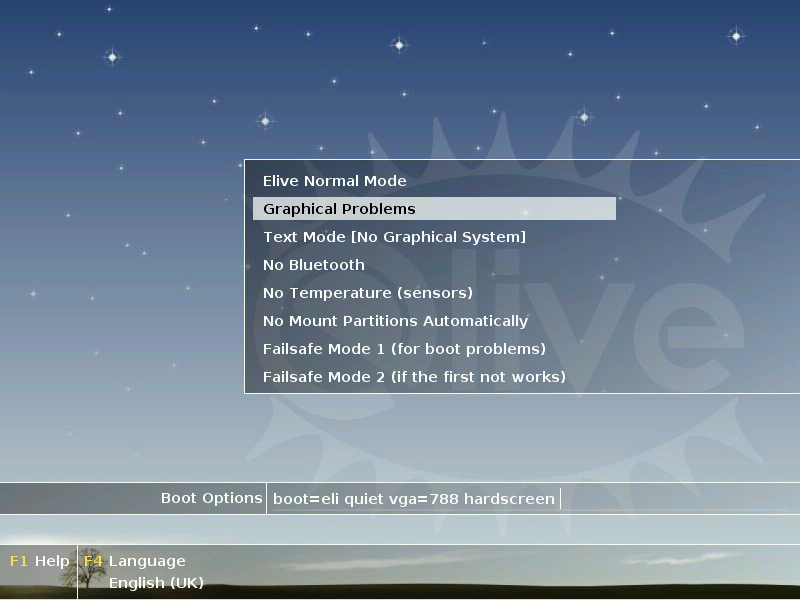
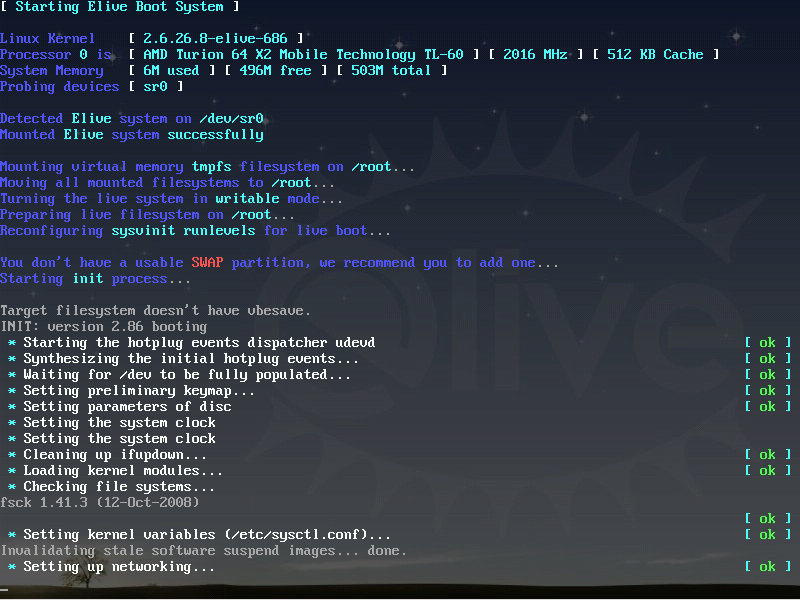
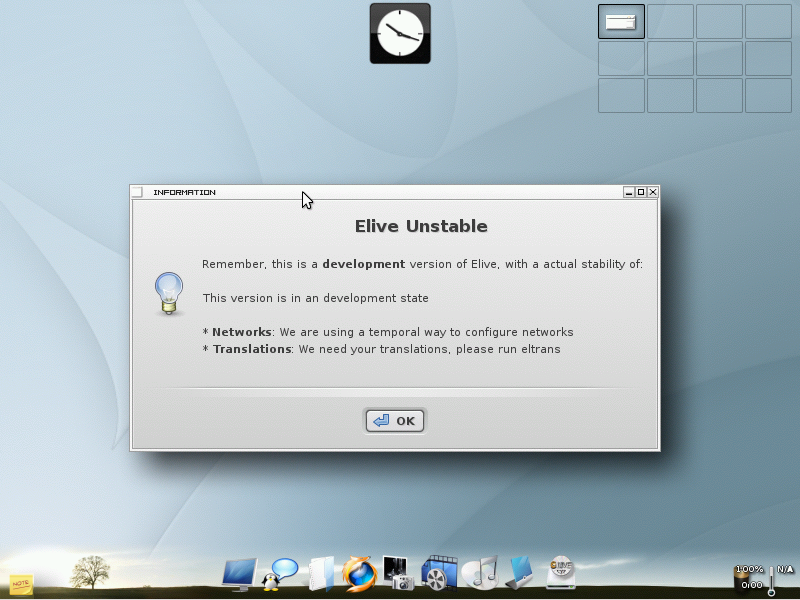
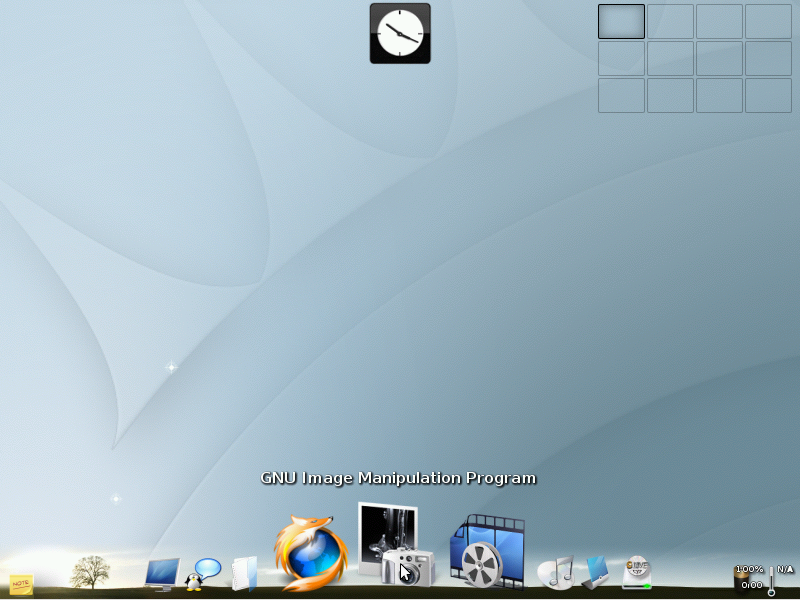
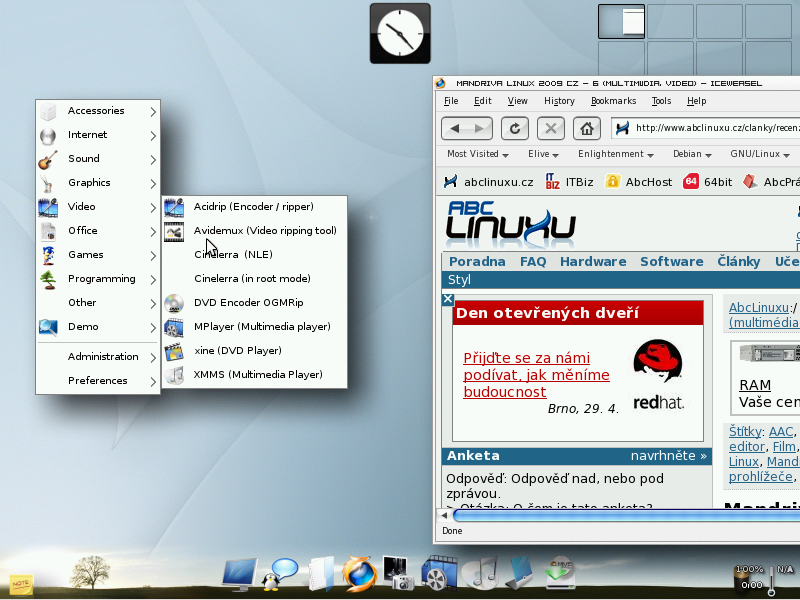
5. Is Elive your primary operating system? How many other distros have you used so far? Which ones?
I have tried a good amount of distributions before I found Debian. After that, I started developing Elive, based on Debian, and actually I only use Elive for everything I do
6. What is Elive's killer feature(s)?
Elive doesnt' have a one "killer feature", instead it has a lot of elements that makes Elive unique, some better and more big than others. But if you ask the users the answer could be "Elpanel", the Control Panel of Elive
7. What do you plan to implement/improve? What can we look forward to in Elive's next release?
Without exaggerating, my TODO list is more than 3000 lines long, I can't say exactly what the next release will include. In every develoment release there are new improvements, ideas, or things to add/change. Sometimes I add features to the next version, and sometimes I need to wait a bit... for a specific test cycle to end, before I add the next feature.
8. What do you consider the largest obstacle for mass deployment of Linux on the desktop?
Hmmm... obstacle... You know, I believe that Linux is steady moving forward, with more people using it every day, and many governments are announcing their migration to Linux also. The more people hear and learn about it, the less scared they become. Yes, without a big marketing machine it will take a while, but the direction is: forward!
Thanatermesis
Nástroje: Tisk bez diskuse
Tiskni
Sdílej:


A ted si to srovnejte s Greeniakem ... co do vystupovani i do kvality prace ... usmevne, ze? 
v článku je překlep "noí lidé" => "noví lidé"
 15.4.2009 07:55
Jiří Svoboda | skóre: 37
| blog: cat /dev/mind
| Prostějov
15.4.2009 07:55
Jiří Svoboda | skóre: 37
| blog: cat /dev/mind
| Prostějov
 15.4.2009 08:39
=^..^= AmigaPower® | skóre: 30
| blog: BLB
| Praha
15.4.2009 08:39
=^..^= AmigaPower® | skóre: 30
| blog: BLB
| Praha
 17.4.2009 01:56
ʚĭɞ 🍉 | skóre: 94
| blog:
17.4.2009 01:56
ʚĭɞ 🍉 | skóre: 94
| blog:
Elive bylo kdysi (ještě v dobách, kdy neexistovalo Ubuntu) první distro, které mě přivedlo na přechod k Linuxu, dnes už preferuji Debian, ale i tak si Elive za tohle vážím.
 15.4.2009 10:11
Nicky726 | skóre: 56
| blog: Nicky726
15.4.2009 17:19
Nicky726 | skóre: 56
| blog: Nicky726
15.4.2009 17:24
Nicky726 | skóre: 56
| blog: Nicky726
15.4.2009 10:11
Nicky726 | skóre: 56
| blog: Nicky726
15.4.2009 17:19
Nicky726 | skóre: 56
| blog: Nicky726
15.4.2009 17:24
Nicky726 | skóre: 56
| blog: Nicky726
 AbcLinuxu.cz
 ITBiz.cz
 HDmag.cz
 AbcPráce.cz